Showing posts with label Home. Show all posts

Monday, 17 March 2014

TOP OF THE POPPADOMS NEEDS YOU!

It's Britain's original top ten countdown of best loved curries. Now, in 2014... we'd like YOU to tell us what dishes YOU would like to see in our TOP OF THE POPPADOMS poll!


Send us your suggestion(s) and you could WIN a Ferns curry paste!


Three years ago, when we first launched the magazine, we asked our partner restaurants which dishes they thought should be on our very own curry poll. Since that time, our wonderful Chaat! readers have voted for their favourites from our ‘Top 10’ list, Jalfrezi has dominated the top spot, battling against some of the classic British favourites including Balti, Rogan Josh and Chicken Tikka Masala.

Three years on, there are lots of new restaurants out there, and people are favouring a much wider variety of dishes! Thanks to a rise in the amount of spice lovers, Indian food is more popular than ever before. 

This is how the chart looked at the beginning of the year: 
Send us your suggestions to win one of these fab pastes!

1. Chicken Tikka Masala
2. Madras
3. Korma
4. Vindaloo
5.  Balti
6.  Jalfrezi
7.  Rogan Josh
8. Dhansak
9. Butter Chicken
10.  Dopiaza


We’d like YOU to tell us what dishes YOU’D like to see in our Top of the Poppadoms poll.

There are 4 ways to get in touch:

 Closing date is 30th April 2014 - Good Luck! (Please see T&Cs)

Ferns: The official sponsor of Top of the Poppadoms. Authentic curry pastes made in India since 1937. Each Ferns’ product is crafted into a delicious paste, enabling anyone to cook a fragrant, spice-infused Indian dish with ease and speed.


For more information, visit www.fernsofindia.co.uk


Terms and Conditions: Open to entrants with a UK postal address only. Delivery of competition prizes may take up to 30 days.

Friday, 21 February 2014

Spicy or Nut?

WORDS BY MICHELLE ALEXANDER

“Would you like to try some Habas Mojadas?” my friend asked me due to a snacking crave I was experiencing; although I had no idea what she was talking about, I accepted. I would have eaten anything in my hungry state so I grabbed, what looked like a crispy nut, out of the packet she handed me. I placed it into my mouth and started to chew and what I experienced was magnificence. To me, it was even better than snacking on a milky chocolate bar! The tantalising flavour, which was indulged by different spices and powdered on batter, sent me into a state of addiction. I couldn’t get enough of this heavenly snack.  I also found out, to my surprise, that they were broad beans; not nuts! Before I knew it I was researching the snack so I could get my hands on my own yummy beans. My face lit up in pure pleasure when I found out that Habas Mojado was produced by Olive Et Al. They make many more similar products! Not only do they produce scrumptious snacks but they also make nuts, olives and sauces. All of their products have a distinctive taste which makes eating simple, but delectable food, so much more exciting.

Their website not only features the products that you can buy but also have recipes for you to enjoy! You probably won’t be shopping anywhere else for mouth-watering snacks and dressings for a very long time! Visit www.olivesetal.co.uk

Thursday, 6 February 2014

Our Pick of the Day

An Irresistible Treat for Valentine's...

Each luxurious lick of Hotel Chocolat’s milk chocolate is euphoric, which may be why their Milk Smiley Lick is an extremely happy-looking chocolate lollipop. Hotel Chocolat has been creating beautifully crafted, luxury chocolates and growing cocoa for twenty years, and many people have fallen in love with their fashionable edge. This cute gift is sure to bring a little bliss to your other half.
www.hotelchocolat.com

Tuesday, 4 February 2014

Shhh... it's 'Our Little Secret'

We mentioned yesterday that we've just released our super seductive special February hamper, full of gorgeous and yummy 'LOVE' themed items. After all, February plays host to the feast of Saint Valentine, celebrated on the 14th of the month since the Middle Ages.

It's a well known fact that spices are among Mother Nature's aphrodisiacs. Teamed up with that fact that we always love spicy food, we think our 'Seductive Spicy Hamper' has the perfect ingredients to get anyone 'in the mood' for love...

Every day this week (and a couple of next) we'll be telling you about the individual products in the hamper with a bit more detail. So to kick things off, let's start with the aptly named "Our Little Secret" Fiery Kadhai Dine-in-Kit. 


These delicious kits are unlike anything you will have come across before. Available in four different varieties, each kit features 4 individual sachets. The only item that needs to be added is your choice of meat, poultry, fish or vegetarian options. The sachets contain dried spices, a 'gravy paste' and a 'gravy base' to be added to your cooking pan at certain intervals. And rather usefully, the pack also includes a sachet of microwaveable rice.

The finished product can be ready in as little as 12 minutes, in which time the wonderful aromas of 'Fiery Kadhai' have wafted their way round the house, tantalising the nostrils of anyone who is present. 

Intense flavours, a fabulous scent and perfect fluffy rice are the result of only 12 minutes in the kitchen (although for those with more time or wanting to use lamb or beef, there is the option to Slow Cook for an hour). 

As well as being packed neatly inside a small box, the packet can be easily stored in a cupboard until you need to use it. And the best thing about these great little dine-in-kits? No one needs to know you've used them - it's 'Our Little Secret'!!


More information about Our Little Secret can be found on their website at www.ols.co.uk

The Queen of the Spices

“Anyone who has never made a mistake has never tried anything new”- Einstein

WORDS BY MEGAN EVANS

In making a simple King Prawn Korma, I came across an unusual spice that I had not seen, used or even heard about before. This happened completely by accident. I had sent out my other half to buy some ingredients, and instead of bringing back ground cardamom as I had asked, he plonked down a jar of what looked like shards of bark in front of me. It was a moment when the old saying ‘if you want something done right, do it yourself’ felt particularly relevant.  

It turned out that these unusual looking pods were not a disastrous purchase. They were only the black cousins of the green cardamom pod, dried out and slightly matured for a distinctly different flavour. “The word cardamom was on the jar”; I could kind of see his logic.

On opening the jar, the pods smelt musty and dried out, and I was not entirely sure whether they would work in such a dish. On opening and grounding the seeds inside, the pungent aroma that came from them was surprisingly pleasant. They possessed a eucalyptus scent similar to their green cousins; uplifting in nature yet much more bold and smoky with strong hints of camphor.

Black cardamom is matured and dried for its distinctive smoky flavour. Its matured scent and flavouring makes it a warming spice, and can be likened to pepper and chilli. In a mild dish such as korma, only a small amount was needed for a subtle hint of flavour; too much could have been slightly overpowering.

On checking the suitability of the black cardamom pod for a recipe that had clearly specified green cardamom, I found that the pods can in fact be used to add distinct flavours to even rustic meaty dishes like pot roasts and stew. It seemed that the spice was versatile; great in blends with other spices to temper the pungent flavour and brilliant in elevating potentially bland dishes. In this sense, it does not always have to be used in just Indian or oriental cooking; its flavoursome tones work well in a variety of recipes. Black cardamom is also a key ingredient in garam masala, which as a spice blend works well to add tasty, enlivening flavours to many different dishes, including a mild curry such as korma.


I was impressed by how successful the black cardamom was as a spice, even as a substitute for its green friend. Despite coming across it by mistake and initially fretting about its distinctive appearance and unique aroma, I felt it worked well. It certainly didn’t take anything away from the flavour, nor did it come across as too strong or too bold. I would definitely consider adding the spice to a hearty casserole and to many other dishes for a warming boost of flavour. A lasting impression was certainly left. I think the cardamom family is completely deserving of its title, ‘Queen of the Spices’. 

Monday, 3 February 2014

Special Valentine's Offer

Spice up your love life this Valentine’s Day with Chaat! Magazine’s Seductive Spicy Hamper!
Our special love-themed hamper is packed full of aphrodisiac spiciness, and as if that wasn't enough to get you ‘in the mood’, it comes with a year’s subscription to the nation’s only spicy food magazine.
Each issue promises over 20 outstanding recipes all with a wide range of flavours and styles. Tied in with tantalising travel features linked with exotic dishes, and top tips from celebrities and chefs; Chaat! Magazine is a delightful read for those who love a bit of spice!
With your hamper delivery, you’ll receive our exciting December/January issue offers 23 fantastic recipes ranging from flavoursome nibbles to impressive desserts that will make you feel like a culinary genius in the kitchen. With a large section on the artisan food revolution, bread and pastry recipes from Paul Hollywood and James Morton, inspiration from the UK’s top restaurants and chefs, and travel diaries that will whisk you off to exotic destinations. Don’t miss our regular column with Bill Oddie and playful interviews with Gok Wan, Karl Pilkington and Tom Stade. We also need YOU to vote for your favourite curry for the country’s only Top of the Poppadoms poll.

The perfect gift for your loved one (and for you too!), our special Valentine's hamper is a must for spice lovers; and lovers who crave some spice...

Seductive Spicy Hamper includes:
2 X Blue Nun Sparkling Gold Edition (200cl)
Our Little Secret Dine in Curry Kit
Jelly Belly Tabasco flavoured Jelly beans
Hotel Chocolat ‘Dark Smiley Lick’ lollipop
Cook’s Brand Ketjap Manis soy sauce
The Spicery’s ‘All You Need is Love’ sweet spice mix
Seed & Bean Exotic flavoured Organic chocolate

Thursday, 30 January 2014

Cocktails for the Cold

You can’t beat a cooling and refreshing cocktail in the summer. During cold and icy winters, however, you may be at a loss at what to drink. Something that’s softer, more comforting and warming is usually more appealing than cooling citrusy flavours in the colder months.

Winter Cocktails is a book full of delicious solutions. Pouring through this beautifully illustrated book, you’ll find the methods to make Irish Coffees, Hot Buttered Rum, mulled wines and spiced creamy drinks that will slide down your throat like silk. One of the best drinks is the Rosy Cheek, an elegantly smooth white chocolate tipple with rum, peppercorns and nuts.

It contains useful step-by-step instructions of how to ‘muddle,’ make caramel and garnishes, and what ingredients to stock up on. What’s more, if you flick to the back, you’ll find delightful nibble recipes to accompany your drinks.

Now that you’re a skilled mixologist, you can host all the winter cocktail parties you like.


Winter Cocktails by Maria Del Mar Sacasa, photographed by Tara Striano, is published by Quirk Books.

Tuesday, 28 January 2014

Barbecue Prawns Marinated in Chilli & Soy

INGREDIENTS

500g raw tiger prawns,
peeled but tails intact
250g cherry vine tomatoes
4 tablespoons olive oil
1 large green sweet pepper,
de-seeded and cut into 3-cm chunks
2 red jalapeños, de-seeded and cut
into 1-cm pieces
watercress and toasted pita bread,
to serve
Marinade
1 garlic clove, crushed
1 red chilli, de-seeded and
finely chopped
1 tbsp sesame oil
2 tbsp dark soy sauce
grated zest and freshly squeezed
juice of 1 lime
2 tbsp dark brown sugar
Fresh aïoli
2 large egg yolks
4 very fresh garlic cloves, crushed
1 tsp Dijon mustard
150 ml good-quality light olive oil
freshly squeezed juice of 1⁄2 lemon
medium sealable plastic food bag
8 wooden skewers,
soaked in water overnight
gas or charcoal barbecue

METHOD
To make the marinade, mix together all the ingredients and blend to a smooth purée using a hand blender.
Put the prawns in the sealable food bag and pour in the marinade. Seal securely. Shake vigorously and when all the prawns look well coated, refrigerate, still in the bag, for about two hours.

Put the tomatoes and half the olive oil in a small saucepan and gently warm for 5 minutes, or just long enough for the tomatoes to start to soften. Remove from the heat and let cool.

To make the fresh aioli, beat the egg yolks in a large bowl with a balloon whisk. Add the garlic and mustard and beat through. While beating the mixture, slowly add the olive oil in a thin, steady stream. When all the oil has been added, the aïoli should have a smooth, velvety appearance. Add the lemon juice, season with salt and pepper and gently stir through. Refrigerate until needed.

Light your barbecue. Always do this in plenty of time to have built up a good bed of hot ashes or charcoal that have burnt down to a white glow with no visible flames. This normally takes about 45 minutes from lighting.

Take the refrigerated prawns out of the bag and place on a plate, reserving any remaining marinade.
Thread the marinated prawns, tomatoes, sweet pepper and jalapeños onto the skewers in a repeating sequence and continue until all 8 skewers are filled. Make sure you allow for enough of each ingredient on each skewer, and leave enough space at the ends of the skewers to handle when on the barbecue.

In a small bowl, loosen the reserved marinade with 1–2 tablespoons of the remaining olive oil. Using a pastry brush, liberally coat the skewers with the marinade just before placing on the barbecue.

Cook for a couple of minutes on each side until the prawns turn pink and are cooked through. Serve with watercress, toasted pita bread and a good dollop of fresh aioli.

As featured in The Red Hot Chilli Cookbook by Dan May. Published courtesy of Ryland, Peters & Small

Monday, 27 January 2014

Gregg Wallace on Valentine's Day

Gregg the greengrocer tells Chaat! about his friendship with food, quality time with his children, and the secret to a perfectly romantic evening. The friendly cockney has a whole lot of love.
INTERVIEW: MARIANNE VOYLE / PHOTOGRAPHY: CHARLOTTE KNEE
Tell me about your  book, Life on a Plate.
It’s a story of endeavour I think, and the ups and downs of my life, and I think everyone will be surprised about what they are. I started my own fruit and veg business at the age of twenty-four, and went bankrupt about ten years later. I’m a greengrocer; this is what I’ve always called myself. I’ve still got a fruit and veg business and I’ve always supplied to London chefs. Fruit and veg has been a good friend to me over the years, I’ve always made a living from it!
What is your favourite spicy dish?
Chicken vindaloo. Wait, is that the hot one? Do you know what, as I said that all of a sudden I thought of the [English Football] song, and I thought, no I’ve got it wrong! We used to play a game with the kids, and the first one to spot a bead of sweat on the top of dad’s head would get a pound.
Do you cook much spicy food at home?
I did an Asian dish the other night, and I put all the chillies in a bowl and let people pick them out themselves. My son loves spicy food, but my daughter doesn’t like it very spicy so I’ve cut down the amount of ginger of chilli that I use.
Did Masterchef change your perception of Indian cuisine at all?
Yes, we’ve had some really fine Indian cooks. The complex spicing is quite incredible, and it’s about building up layers of flavour. When Westerners try to use that much spice when they aren’t trained properly, the spices end up clashing, but in the hands of a talented cook, it’s phenomenal!
How do you think Indian cuisine has changed in the last few years?
I think we’re seeing a lot more fusion food, Indian European crosses because, of course, a lot of the chefs have an Indian heritage and a British upbringing. We’re seeing a real fusion of spiced up European dishes.
You’ve recently started up your own restaurant called Gregg’s Table, as well as Wallace & Co. What advice would you give to anyone running smaller restaurants?
Don’t run a small restaurant, have a big one! You won’t make any money out of a small restaurant.
Don’t do it unless you simply must have a restaurant. Don’t do it to make money.
Do you have any cooking tips for us?
Yes! You can put in but you can’t take away. Whatever you’re adding to your food, add a little and taste. Then, add a little more and taste. Add taste, add taste, add taste!
What’s the perfect Valentine’s Day dish?
Something that you can create simply, it doesn't have to be complicated. The special lady in your life that you’re cooking for will appreciate the fact that you've made the effort. What she doesn't want to see is you stressed in the kitchen...
With more beads of sweat!Yes! Don’t get in a tizz about it. You need to be relaxed enough to pay attention to your dinner guest.
Finally, what does the future hold for Gregg Wallace?
Ooooh! (Pause) What I want to do is make enough money so I can work less.
Life on a Plate: The Autobiography by Gregg Wallace is out now (Orion, £18.99.)

Friday, 24 January 2014

Is this the future of food?


“Anyone can cook!” according to fictional chef Gusteau in the loveable film Ratatouille. The film does of course have its flaws; rats can’t cook, and “the rat is the chef!” probably wouldn’t be anyone’s first logical conclusion, but who knew Disney and Pixar would tap into a potential UK food trend? Eatro, described as an ‘online marketplace for homemade food,’ supports a Hungryhouse-like service where you’re handed the apron and become a takeaway chef.

Enforcing the idea that homemade food is unbeatable, Eatro wants to get people cooking their own signature dishes to be sold to hungry locals online.

So how does it work?


After creating your menu, Eatro allows you to choose a collection timeframe and enter the number of dishes you plan to make. A handy tool that ensures you won’t be inundated with requests. Local takeaway diners will choose what dish they would like online, and then collect from your home.

There seems to be a number of benefits to a home-takeaway service, especially in a time of recession when small businesses are struggling. Budding entrepreneurs can start an inexpensive micro business at home to practice and promote their culinary skills. It also inspires a sense of community which many areas lack, as HomeChefs will get to know the people who live in their area and share a passion for the same foods.

The only concern with this concept was that food hygiene standards may not be as high as that of established restaurants. Eatro does assure, however, that all new HomeChefs are interviewed and monitored with kitchen inspections to ensure food is of the highest possible standard.

If this does catch on, it’ll inspire people to get experimenting and cooking good food home, which is definitely something that should be advocated.

“Not everyone can become a great artist, but a great artist can come from anywhere."
-Anton Ego, Ratatouille

To learn more, visit eatro.com

Friday, 17 January 2014

#inittowinit with Crockpot


Why Chaat! Magazine's Danielle thinks Crockpot is great for families.

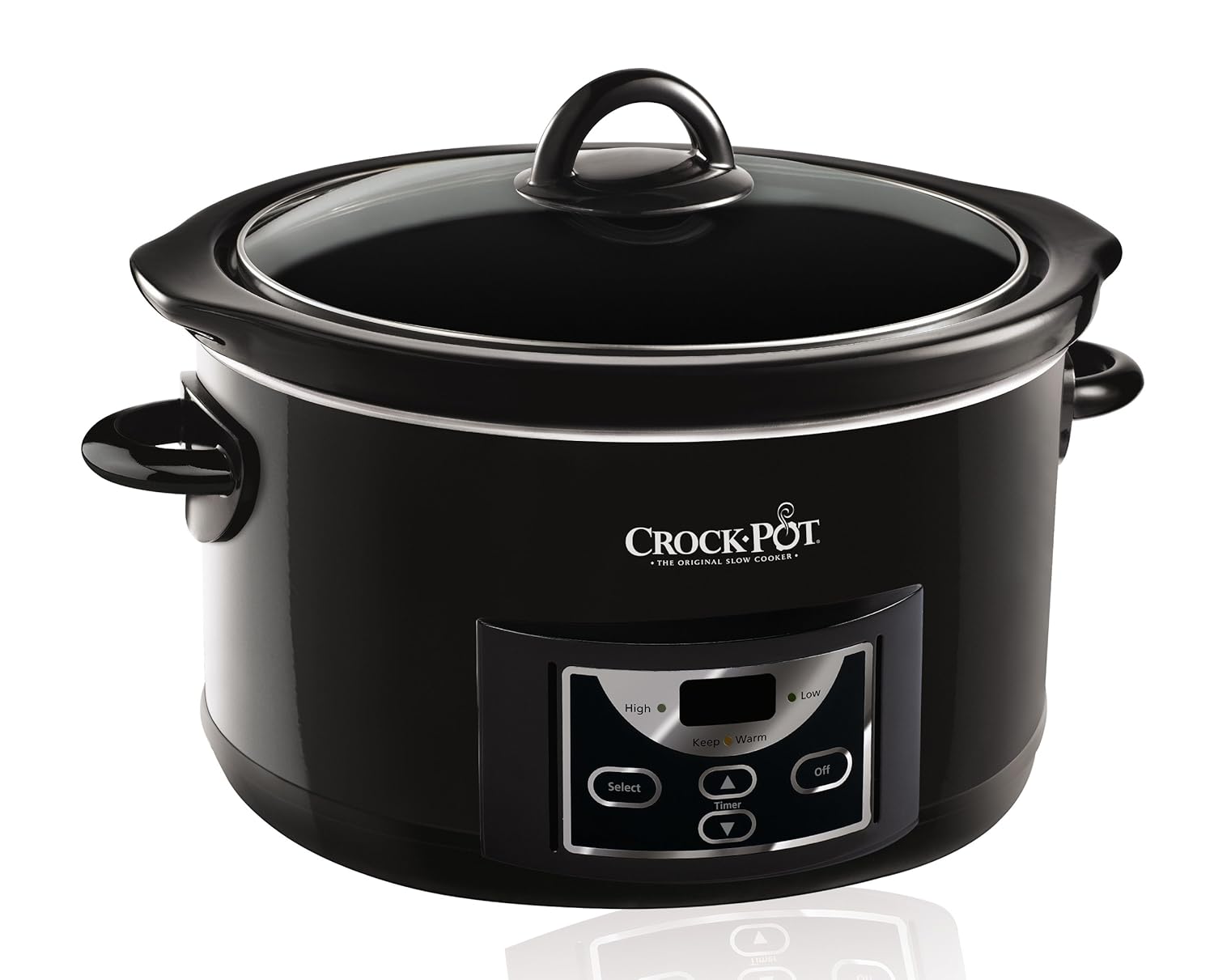
Happy Friday to all our lovely followers! It's competition time once again and on offer this time is this fantastic Crockpot Digital Countdown Slowcooker!

Now to start, I was not a fan of slow-cooked meals due to the sheer amount of time spent stirring on the hob, and making any kind of stew usually involves the kids complaining about how they're "starving" or why can't I play with them etc etc. I had a slow-cooker once before, but I could never seem to get to grips with it, forgetting to time the food and ending up with undercooked dinner or food so overcooked it was practically inedible.

Bearing the above in mind, it was with great trepidation that I gave the Crockpot a try. As the original slow cookers on the market, and a brand established over 40 years ago, Crockpot retains its place at the top of the market. Black with a gloss finish, it blends in well with other kitchen appliances and can be quite easily stored away, despite it's considerable size. Both the ceramic bowl and the lid are dishwasher safe - which is great news for busy professionals or working families.

Speaking of families, the capacity of the Crockpot Digital Countdown Slow Cooker is a rather large 4.7 litres, which will easily hold and cook a meal for at least 5 people - perfect for family dinners or having friends over for dinner without theneed to slave over the stove.

Easily the best feature of this Crockpot slow cooker are the digital settings, which allow you to select the high or low option according to the time you have available or the recipe, and select the amount of time the dish needs to cook on the inbuilt timing function. This feature is perfect for people like me who inevitably forget the timer - or even forget that you're using the slow cooker at all! And as if all that weren't helpful enough, the slowcooker automatically switches to the 'keep warm' function once the timer has finished, so you don't need to worry about overcooked dinners.
Slowcooking is versatile, and I find myself using my Crockpot even at weekends because it frees up so much time, and isn't just for hearty old-fashioned British stew. I've made everything from Lamb Bhuna and Roast Chicken to Lasagne (who knew you could make lasagne in a slow cooker?!) and not to mention a gorgeous chocolate chip bread and butter pudding!

While the Crockpot Digital Countdown Slow Cooker does cost considerably more than models by other brands, I'd see the additional features as a worthwhile investment, especially for those whit busy lifestyles who want to come home and just crash out with an amazing hot home-cooked meal.

The kind people at Crockpot have given us a Crockpot Digital Countdown Slow Cooker to give away! To enter, retweet us on twitter (@curryclubuk) using #inittowinit, or like and share on Facebook (/chaatmagazine). Why not leave us a comment here too? Good luck!

COMPETITION CLOSES 31st January 2014.

Tuesday, 14 January 2014

Malaysian-style Chicken & Pineapple Curry

There are two things I absolutely must do whenever I go travelling to a new place. Number one is to take cooking lessons from the locals. All the better if this takes place in gorgeous open-air surroundings by a Vietnamese river amidst gardens of fresh lemongrass and Thai basil and a swimming pool for when the exertion of cooking all gets too much, as I was once lucky enough to experience in Hoi An, but any form of cooking lesson is hugely exciting for me, even if it’s just a street food seller taking the time to demonstrate to me how they make their delicious wares. If they let me eat said wares along the way, even better.

Number two is to visit the markets. I have an obsession with local markets; they’re probably one of my favourite things about travelling. You can keep your art galleries and museums; I think the best way to experience culture, anywhere, is to take an hour to wander around the markets and to watch, taste, touch, smell, listen and talk. And, if you’re anything like me, to come back laden with obscure products bearing strange labels that will end up at the back of your cupboards (candied nutmeg, anyone?)


This is a recipe that relates to both of those activities. This summer I spent a week and a half travelling in Malaysia. Aside from waking to the sound of macaque monkeys splashing around in the swamp metres from my bed in the deep, dark heart of the Borneo jungle, the absolute highlight of my Malaysian experience was Penang. This was in no way a surprise. I’d been told by many people that I would love Penang, undisputedly one of the street food capitals of the world, famous for its hawker centres serving up hot, moreish, ridiculously tasty food for less than you’d pay for a cup of tea back in England.

As part of my stay, I took part in a cooking course that began with a trip to the local market to introduce us to some of the ingredients we’d be using later. Actually, I lie – it didn’t begin with this, it began with one of the best breakfasts I’ve ever had in my life, which is roti canai: buttery, flaky Indian-style flatbreads cooked on a hot griddle and stuffed with various fillings. Mine was oozing with egg and onion, and I sat there with a cup of hot tea, tearing off gooey, buttery pieces of this ridiculously moreish creation and dipping them in a bowl of vibrant turmeric-rich dahl. It’s Penang’s answer to a croissant, only perhaps even better.

I learned a lot from my market visit that day. One thing I love about south east Asian markets is there’s always some new weird and wonderful ingredient to discover. Introduced to my culinary repertoire on this occasion were ginger flowers – which look like firm, very pale pink tulips and have a peppery taste – and candle nuts. I’d never heard of candle nuts before, but they’re a common ingredient in Malaysian curry pastes, where they add a delicious nutty richness to the mix along with their their fragrant oils. They look rather like large macadamia nuts, with a similar creamy texture.

Later during my cooking class we learned how to make laksa, which is without a doubt the best noodle soup you will ever eat, but unfortunately takes a small army to prepare (there were about twelve of us on the cooking course, and it required all hands on deck to get it ready for lunch time). The resulting sweet-sour-spicy broth, rich in fish and tamarind and herbs, bathing a nest of slippery noodles, is worth it a hundred times over, though. We didn’t use the candle nuts, but I bought a small bag to bring home and experiment with.


This chicken curry recipe is from the lovely Nazlina, who ran our cooking course in Penang. The first time I made it back home, I had a bit of a eureka moment when I licked the spoon to check the seasoning. It was spot on, exactly everything that I want a south east Asian curry to be: rich and creamy with brown sugar and coconut, mouth-tinglingly spicy from fiery chillies, deeply zesty from lemongrass and lime leaves. I’ve made a lot of such Asian curries in the past, but this was by far the best. I think the secret is to marinate the chicken in turmeric and shrimp paste before cooking – it lends an incredible addictive salty/savoury flavour to the finished curry. Combine this with fresh, zesty galangal, ginger, lime leaves, creamy coconut and candle nuts, and you have everything that is wonderful about Malaysian food.

I’ve tweaked it a little from the original recipe: I use chicken thighs (with the bone in – much more flavour and more tender meat that way) rather than a whole jointed chicken, as it’s much easier to eat with fewer fiddly bones to crunch on by accident. I use macadamia nuts now that my candle nut stash has run out (although if anyone knows where I can get them in the UK, get in touch). I also add chopped pineapple to the curry at the last minute. This is definitely unconventional, but I think it really takes the dish to another level. It’s so rich, with the dark chicken meat and the heady combination of spices and aromatics, that you really need something fresh and zingy to brighten everything up. Pineapple is just perfect, softening and soaking up that delicious sauce, adding zingy little bursts of fruitiness that partner perfectly with the tender meat and vibrant sauce.

Serve with lots of fresh lime to squeeze over, chopped coriander, and mountains of steamed rice to soak up the fabulous sauce. This is a very easy dish to prepare, once you get your hands on the ingredients (try an Asian grocer or supermarket, or even a large branch of Morrisons, who do excellent Asian produce), but it’s incredibly rewarding, a real riot of wonderful addictive flavours that blend beautifully. If you’ve never tried Malaysian food before, this is a wonderful introduction.


Malaysian-style chicken curry with pineapple (serves 4):


8 skinless chicken thighs, bone in

2 heaped tsp shrimp paste

2 inches fresh turmeric, peeled, or 2 tsp powdered turmeric

2 hot red chillies

1 inch piece fresh galangal, peeled

3 inch piece fresh ginger, peeled

6 cloves garlic, peeled

6 macadamia nuts

3 tbsp rapeseed or groundnut oil

2 lemongrass stalks

2 tbsp tamarind puree

200ml coconut milk

100ml water

6 fresh/frozen kaffir lime leaves

4 shallots, finely sliced

2 tsp dark muscovado sugar

Half a large pineapple, finely diced

½ tsp freshly ground black pepper

Juice of 1 lime

Finely chopped coriander, to serve


In a mini chopper or blender, blitz together the shrimp paste and fresh turmeric (if using powdered turmeric just mix the two together in a small bowl). Put the chicken in a large dish and add the shrimp paste and turmeric. Mix together well with your hands then leave to marinate for an hour or so in the fridge.

Meanwhile, make the curry paste. In a mini chopper, blitz together the chillies, galangal, ginger, garlic and nuts until finely chopped. Bruise the lemongrass stalks by bashing them with a rolling pin or squashing with the flat of a knife. In a large lidded pan, heat the oil and sauté the curry paste and lemongrass stalks over a medium heat for a few minutes until fragrant. Add the tamarind, coconut milk and water and bring to the boil. Add the chicken, cover with a lid and cook for about 30 minutes or until the chicken is cooked through.

When the chicken is cooked, finely shred the lime leaves and add to the pan with the sugar and shallots. Remove the lid and simmer for around 15 minutes to thicken the sauce. Taste and check the seasoning – it will probably be salty enough from the shrimp paste. Add the lime juice, black pepper and pineapple and cook for another couple of minutes, then serve with steamed or sticky rice and fresh coriander.

Get the ingredients for the recipe from www.justingredients.co.uk .

Friday, 20 December 2013

Ching's Xi’an-style Beef Curry

Dinner. Sorted.

“Curry in one form or another is eaten throughout the country, so it is no surprise that it has a place on the Chinese takeaway menu,” says Ching. “Flavours will vary from place to place, but the spices almost always include turmeric, mild curry powder, dried chillies and garam masala.”
-Ching He-Huang


INGREDIENTS
Serves: 2-4 to share
3 new potatoes (400g/14oz in total),
peeled and cut into 1cm ( ½ in) chunks
1 carrot (100g/3 ½ oz),
cut into 1cm ( ½ in) chunks
300g (11oz) beef sirloin,
cut into 2cm ( ¾ in) chunks
1 tsp of turmeric
1 tsp of medium curry powder
Pinch of salt
Pinch of ground white pepper
1 tbsp of groundnut oil
1 white onion, diced
1 star anise
1 tbsp of Shaohsing rice wine or dry sherry
100g (3 ½ oz) frozen peas
For the sauce…
1 tbsp of light soy sauce
1 tbsp of dark soy sauce
100ml (3 ½ oz) cold chicken stock
2 tbsps of corn our

Place the potatoes and carrots in a saucepan of water, bring to the boil and keep boiling for 5 minutes. Remove from the heat, drain and refresh in cold water. Set aside.

Mix the beef in a large bowl along with the turmeric, curry powder and salt and pepper.

Heat a wok over a high heat until it starts to smoke and then add the groundnut oil. Tip in the onion and stir-fry until translucent, then add the star anise and the seasoned beef pieces. As the beef starts to turn brown at the edges, add the rice wine or dry sherry.

Pour in the ingredients for the sauce. Bring to boil, then add the parboiled potatoes and carrot, followed by the peas. Bring back up to boil. Reduce the heat to medium and simmer for 2-3 minutes. Serve immediately with jasmine rice.

Cold & Flu Busting Chicken Madras with Tamarind

Beat the bugs with the goodness of spices!

INGREDIENTS
Olive oil
2 sticks cinnamon
2 tablespoons nigella seeds
1 tablespoon each fennel and
fenugreek seeds
1 whole garlic bulb, nely chopped
4 tablespoons grated (peeled)
fresh root ginger
1 tablespoon turmeric
1 teaspoon ground ginger
2 teaspoons chilli powder
salt, to taste
2 medium onions, nely diced
1 tablespoon tomato purée
1 tablespoon tamarind paste
700g chicken joints, skinned
To season…
1 teaspoon garam masala
25g bunch of freshly chopped coriander
Serves: 4

Pour some olive oil into a deep saucepan. Add the cinnamon sticks, nigella, fennel and fenugreek seeds into the olive oil, and cook over a medium heat until the fennel seeds are a roasted colour – this should take no more than 2-3 minutes. Remove the pan from the heat and allow the oil to cool.

Once the oil-and-spice mixture has cooled, add the garlic and fresh ginger to the pan and cook over a low-medium heat until the garlic is a golden brown colour, stirring frequently – this should take no more than 2–3 minutes.

Add the turmeric, ground ginger, chilli and salt, and mix well and cook for about 20 seconds.

Add the tomatoes, tomato purée, tamarind paste and chicken to the pan, mix well and cook until the chicken is sealed all over, stirring all the time – this should take no more than 10 minutes.

Add enough boiling water to cover the chicken and bring back to the boil. Reduce to a low simmer and cook, uncovered for 45 minutes, stirring from time to time.

Recipe extracted from Indian SuperspicesPhotography by Nevrus Kaya. More info: www.indiansuperspices.com

Friday, 6 December 2013

Free gift when you subscribe to Chaat!

What do you get the person who loves curry? The UK’s only magazine for lovers of spice, of course!


A unique and brilliantly niche gift idea, Chaat! Magazine celebrates all things spicy with mouth-watering recipes, celebrity chef interviews, cooking tips and travel features.

The new December/January issue is packed full of simple yet flavoursome recipes ranging from nibbles to impressive desserts that will make you feel like a culinary genius in the kitchen. With a large section on the artisan food revolution, bread and pastry recipes from Paul Hollywood and James Morton, inspiration from the UK’s top restaurants and chefs, and travel diaries that will whisk you off to exotic destinations, Chaat! Magazine will give you everything you need to prepare for the festive period.

Don’t miss our regular column with Bill Oddie and playful interviews with Gok Wan, Karl Pilkington and Tom Stade. We also need YOU to vote for your favourite curry for the country’s only Top of the Poppadoms poll.

Better yet, if you subscribe this month you’ll receive a free foodie hamper including Kandula tea, Bart spices and Home Colours cooking utensils. Visit www.chaatmagazine.co.uk/shop to order now.

Thursday, 5 December 2013

How to Make Mulled Wine


We love Christmas traditions, especially when they're infused with spices!
Mulled wine has long been associated with celebration, winter and merriment. It may be because this delicious tipple has an added warming zing of oranges and combined spices, so it's ideal for festive parties when you've just ventured in from the cold outside. Here's our favourite recipe for an exquisite mulled wine, courtesy of JustIngredients.

INGREDIENTS
JustIngredients Mulled Wine Spice Kit (includes vanilla, cloves, cinnamon sticks, bay leaves, star anise and nutmeg)
2 bottles of good quality, full bodied wine
2 medium fresh oranges
170g brown or white sugar
Some good friends and family to help drink it!

DIRECTIONS
  • Add vanilla (halved and scraped), 1 cinnamon stick, cloves, a bay leaf, star anise, juice of both oranges, 2/3s of the sugar and a generous few glugs of wine to a large saucepan and heat for 3-4 minutes.
  • When the liquid is bubbling vigorously, add another cinnamon stick, orange slices and the rest of the wine. Simmer for 10-12 minutes on a low heat.
  • Grate in half of the nutmeg. Add the rest of the sugar to taste and continue simmering for 2 minutes.
  • Finally, ladle into pretty teacups and serve.
You can get your Mulled Wine Spice Kit by clicking here.

Friday, 22 November 2013

Win a Breville Slow-cooker!

We've been so busy in the Chaat! office this month; getting the Christmas/New Year issue ready, packing up our lovely Christmas hampers for the BBC Good Food Show, and getting our very own restaurant up and running; that we've relied on our slow-cookers pretty heavily for some lovely winter warming meals at the end of the long cold days!

Slow-cooking, unsurprisingly, has increased greatly in popularity over the last couple of months, and as a result, the time and money-saving kitchen items have become more sophisticated, and more readily available. 

One of our favourites is the Breville VTP140 Glass Slow Cooker, available from John Lewis and all good retailers. It retails at around £60, which is at the higher end of the market, but along with the higher price tag, there are lots of extra features you may not see on a lower end model.

This space age looking slow cooker is just right for family meals, complete with touch button controls and blue illumination. The product features a fully transparent tempered glass bowl and lid to keep an eye
on your culinary slow-cooked masterpiece, with 3 heat settings and a dishwasher safe bowl.

We have 2 Breville Slow Cookers to give away, simply follow us and retweet the competition on Twitter - @curryclubuk, or like and share on Facebook - /ChaatMagazine for you chance to win. 

Tuesday, 19 November 2013

That’s a mindblasting soundtrack, Ricky!

An authentic and absorbing soundtrack to Rick Stein’s India could have been created simply using traditional Indian instrumentation. However, what is intriguing about Malcolm Ironton’s score is how he has created a sound that not only heavily incorporates traditional influences but also nods to modern western music too.

The colourful series sees Rick Stein leaving his home in the fishing village of Padstow to explore the Indian sub-continent in search of the perfect curry. Throughout the series Rick learns the subtle nuances between culture and curry that make the different regions of India so unique. It’s fitting then, that its soundtrack is structured in much the same way.

At its most exciting there are pounding, pulsating explosions of percussion, the rhythm mimicking the vibrancy of India’s big cities and in particular the manic nature of the roads. This contrasts with more serene moments, drenched in luscious string, reflecting the almost mystical nature of this country’s landscape. These create a stunning ambiance that even Brian Eno would be hard pressed not to appreciate.

The most triumphant moments here however, are when India’s fizzling energy is captured, an elixir that’s not easy to bottle authentically. Mad Madras for example is breathless and frenzied. Midway through the track it surprisingly descends into and almost psychedelic drum and bass-like assault. This surge of unrelenting energy is not too dissimilar to the breakdown in Outkast’s stirring hit Bombs over Baghdad. Electronic influences also creep up again in tracks like I love Curry. The driving rhythm soars, incorporating a hypnotic chanting which eventually makes way for electro-like synths.

You can see the influences these more traditional styles of music have had the other way around too. Delhi dance is a notable example. It could almost be lifted from Alt-J’s recent Mercury Prize winning debut, in particular the track Taro.

Elsewhere, Padadum Polka utilizes brass instruments to create something equal parts marching band and harem and the same could be said about Sagg Aloo. Indeed the whole album uses western instrumentation in a way seamlessly fuses the two styles. This almost serves to reflect the way in which Indian cuisine had been adopted as our own in this country, this of course being the reason Rick set out on his journey in the first instance.

Overall all this composition is a fitting soundtrack to a series that whilst exploring India’s vastness in diversity, it also has one eye on back home and our infatuation with this most incredible of dishes.

We spoke to Rick about his series ‘Rick Stein’s India – In Search of the Perfect Curry’. To read the full interview pick up a copy of Chaat! Issue 14.


Visit www.crocodilemusic.com for more information about the soundtrack

Ceylon Chai and Spice

Sri Lanka produces 85% of the
world's cinnamon.
The spice industry is growing rapidly as the tastebuds of the world change, and more people are recognising the health benefits and flavour that can be added to any dish with the addition of some spice. And with this has come the realisation that 'spice' does not mean 'hot',  with sweeter products such as nutmeg and cinnamon increasing in popularity.

Sri Lanka is the largest supplier of cinnamon exports to the world spice market, producing around 85% of the international output. The Ceylon cinnamon industry is now working on plans to add value to their cinnamon and increase the revenue coming into the country through the sales of the sweet spice.

Meanwhile, the Ceylon Tea industry continues to hold it's own, and we were lucky enough to have a proper Ceylon tea-tasting, courtesy of PMD Tea, with the wonderful Mr D. Silva. During the experience, we tasted around 20 different teas produced in Sri-Lanka, and learned a lot about the tea cultivating process.


By far, our favourite was the Chai Cinnamon Exotic Luxury Tea, made with high quality indigenous Sri-Lankan spices to create an exceptional tea with piquancy. Something very special for Christmas!

PMD Teas are available on their website - www.pmdtea.co.uk.

Why not follow them on Facebook /PMDTEA or Twitter @PMDTea

Tuesday, 12 November 2013

6 Dangerous Delicacies


Here's our handy list of foods to avoid

Snake Wine

Typically found in Vietnam, the inactive snake venom 'snake wine' is considered to be a form of herbal medicine due to the proteins and nutrients it contains. If you do happen to have access to a snake, don't try this at home. This happens.

AbsintheThere isn't a Green Fairy in Baz Luhrmann's Moulin Rouge for nothing. Absinthe was banned in most countries as it can cause hallucinations.

Fried TarantulasThis is probably not something for those who are terrified of the UK's False Widow Spider. Cambodia and Laos preserve tarantulas by frying them in hot oil. Why?

Shark Fins
Traditionally used for Chinese shark soup, the danger is not in eating this food, but risking life and limb fishing for it.

Oysters
Last year, a large number of British-grown oysters contained the norovirus.

Raw Milk
Still legal in America, unpasteurized milk can cause serious health issues. It's still around because 'milk activists' argue that it tastes better.